


Technical specialist training
Engineers, operators, mechanics, electricians and instrumentation specialists

Technical programmes
 Geology, Petrophysics and Reservoir Engineering
 Drilling and wells services
 Oil and gas production
 Refining and Chemicals
 Maintenance management
 Capital construction
 Gas processing
 Power and electrical engineering
 Automation, instrumentation and controls
 Mechanical Engineering and Pipeline Systems
 Offshore
 Specialized Equipment
Core business skills
 International Oil and Gas Business
 Finance and cost control
 Procurement and supply chain management
 HRM and training
 Leadership and management
 Project and risk management
 Professional administration
 Sales and marketing
 Core business skills
 Industrial psychology
 Legal support
 English language training
Digital skills
Health, safety and environment
Science, technology and mathematics
Practical solutions, project experience and insights for professionals.
 Article
A quick test for operations and maintenance engineers. The AI answer looks right, but one of its mistakes is off by a factor of ten. The breakdown, a prompt template and a checklist you can use at work.
 Elena Sevriukova
 Article
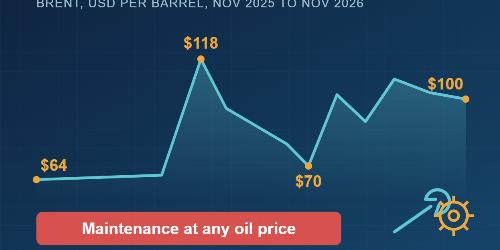
Budget cuts in January, production at any cost in March. How to avoid both mistakes and find the savings that don't add risk.
Elena Sevriukova Article
In 2020, the COVID-19 pandemic transformed the world, accelerating the process of digitalization. People found themselves confined to their homes, forced to work remotely, learn online, entertain themselves digitally, meet friends virtually, and handle everyday tasks like grocery shopping through online platforms. The pandemic became a test of viability and digital transformation for companies.
 Elena Gakhova
 Article
In the rapidly evolving oil and gas industry, effective management of employee training and development is a multifaceted process that can significantly enhance an enterprise's operational efficiency, regardless of its field of activity. Modern conditions have made this topic particularly relevant due to the swift pace of technological advancement, which demands continuous development of employee skills and knowledge.
Elena Gakhova Article
The Internet of Things (IoT) technologies are increasingly utilized across industrial, commercial, and domestic spheres. They enable the collection of empirical data, identification of cause-and-effect relationships, situation modeling, forecasting, and support effective social and economic decision-making. IoT contributes to enhanced safety, time and energy savings, cost reduction, and revenue growth.
Elena Gakhova Article
Stuck pipe incidents are among the most common and time-consuming complications in drilling operations. Addressing these issues promptly is essential to minimize downtime and reduce operational costs. This article discusses the causes of stuck pipe, preventive measures, and the tools and techniques used in fishing operations to restore normal drilling activities.
Elena Gakhova Article
In the dynamic and complex world of the oil and gas industry, effective communication is not just a desirable trait—it's an essential skill that professionals must possess to succeed. Whether you're negotiating contracts, collaborating with multidisciplinary teams, or presenting project proposals to stakeholders, the ability to communicate clearly and effectively can significantly impact your career and the success of your organization.
Elena Gakhova Article
In the rapidly evolving landscape of the oil and gas industry, leveraging social analytics in education and training has become essential. This approach involves comprehensive analysis and reporting on the effectiveness of cognitive processes aimed at optimizing learning outcomes and enhancing business strategies within educational institutions and corporate training programs.
Elena Gakhova Article
The advent of artificial intelligence (AI) is revolutionizing various sectors globally, and the oil and gas industry is no exception. As AI technologies continue to advance, their integration into educational systems is reshaping how industry professionals learn, train, and develop their skills. This article explores the impact of AI on education, its benefits, challenges, and the future of adaptive learning within the oil and gas sector.
Elena Gakhova Article
The COVID-19 pandemic, home isolation, and the shift to remote work have accelerated the digitalization of B2B commerce. This transformation is evident in various areas: the adoption of artificial intelligence technologies for client consultation, the use of social media for sales, and leveraging collaboration services for negotiations. However, even in a digital reality, consultative sales in B2B remain relevant.
Elena Gakhova Article
Catalytic reforming is a pivotal process in modern petrochemical and oil refining industries. It plays a crucial role in producing high-octane gasoline components and light aromatic hydrocarbons such as xylenes, benzene, and toluene. Additionally, the hydrogen-rich gas generated during reforming is essential for hydrocracking heavy fractions and hydrotreating various other petroleum streams.
Elena Gakhova Article
Accurate measurement of gas humidity is crucial in various industrial processes, particularly in the oil and gas industry. This article explores the primary methods used for measuring gas humidity, the challenges involved, and the instruments employed in these measurements.
Elena Gakhova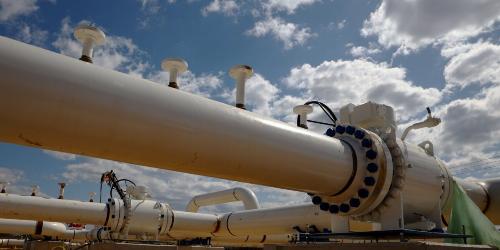 Article
In the oil and gas industry, flange connections are critical components that ensure the integrity and safety of piping systems and equipment. Understanding the various types of flange connections and their proper management is essential for engineers, technicians, and professionals involved in the design, assembly, and maintenance of mechanical systems.
Elena Gakhova Article
Ensuring worker safety in the oil and gas industry requires meticulous attention to the prevention of injuries resulting from interactions with machinery and equipment. Mechanical isolation through protective devices and lockout systems is a critical component in safeguarding personnel from preventable hazards.
Elena GakhovaShowing 13–24 of 27 publications
Could not load publications. Please try again.
Tell us about your projects, methods and results.

 Grid
 List


