Technical specialist training
Engineers, operators, mechanics, electricians and instrumentation specialists

Technical programmes
 Geology, Petrophysics and Reservoir Engineering
 Drilling and wells services
 Oil and gas production
 Refining and Chemicals
 Maintenance management
 Capital construction
 Gas processing
 Power and electrical engineering
 Automation, instrumentation and controls
 Mechanical Engineering and Pipeline Systems
 Offshore
 Specialized Equipment
Core business skills
 International Oil and Gas Business
 Finance and cost control
 Procurement and supply chain management
 HRM and training
 Leadership and management
 Project and risk management
 Professional administration
 Sales and marketing
 Core business skills
 Industrial psychology
 Legal support
 English language training
Digital skills
Health, safety and environment
Science, technology and mathematics
Discipline: Industry-specific digital skills
Programme code: 000463
In today's rapidly evolving industrial landscape, communication between devices and systems plays a crucial role in the efficient functioning of processes... Read more
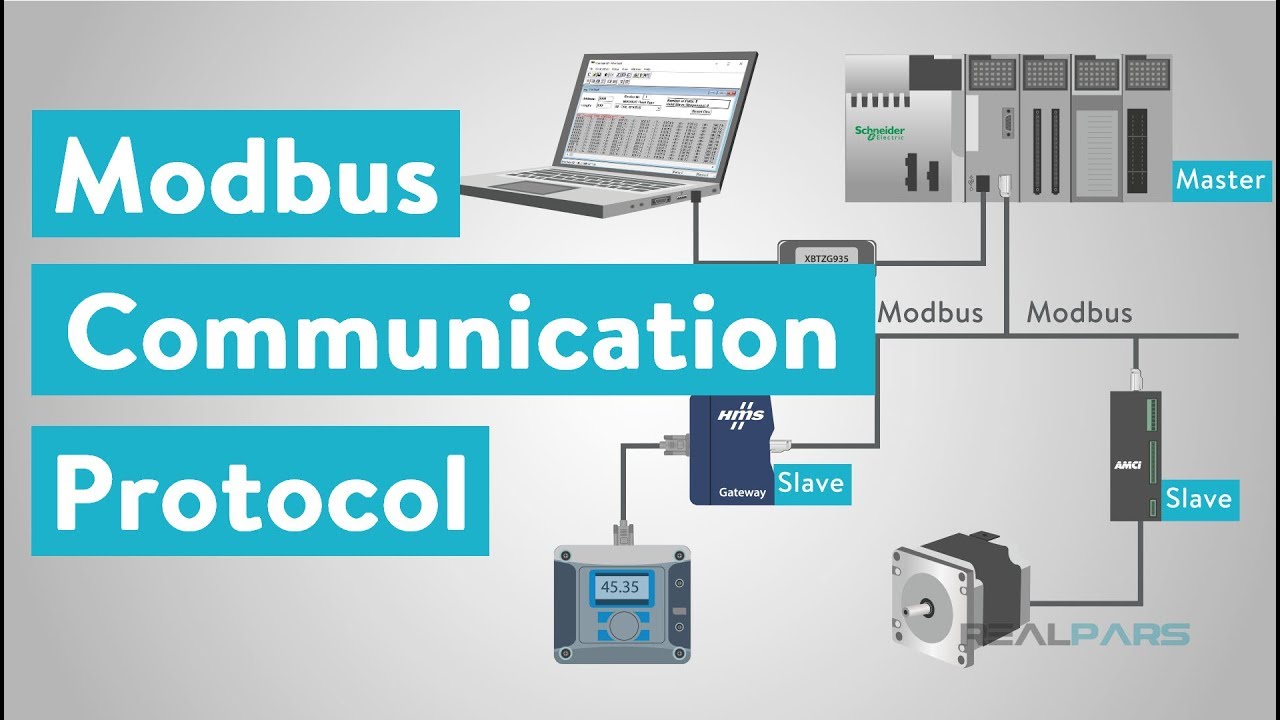
In today's rapidly evolving industrial landscape, communication between devices and systems plays a crucial role in the efficient functioning of processes and operations. One of the widely used and trusted communication protocols in the industrial sector is Modbus, along with its extension, Modbus TCP/IP. Our comprehensive training course, designed for professionals and individuals from various backgrounds, aims to equip participants with an in-depth understanding of these critical protocols, enhancing their skills and boosting their career prospects.
The course curriculum is meticulously crafted to cover all aspects of Modbus and Modbus TCP/IP, starting with an introduction to their fundamentals, followed by a thorough exploration of the OSI network model and TCP/IP stack. We delve into the key concepts and terminology to provide a solid foundation for the participants. Our experienced instructors ensure that the course content is presented in a systematic and easily digestible manner, facilitating a smooth learning experience.
A significant portion of the course is dedicated to the application layer, wherein the various Modbus functions and registers are explained in detail. Participants are given hands-on exercises to apply their theoretical knowledge, enabling them to gain practical experience and confidence in working with Modbus and Modbus TCP/IP. Furthermore, we address the critical aspects of Modbus exceptions and the Modbus TCP/IP ADU format, ensuring that delegates are well-prepared to tackle real-world industrial communication challenges.
Our training program covers the various layers of the communication model, including the transport layer with its TCP protocol, and the network layer, which encompasses IP addressing, Ethernet addressing, ARP, and RARP. These concepts are essential for a comprehensive understanding of the Modbus TCP/IP protocol and its operation within industrial networks.
Finally, the course culminates in an exploration of the data link (MAC) layer, providing delegates with a complete overview of the communication process. Throughout the course, participants are encouraged to ask questions and engage in discussions to enhance their learning experience and maximize knowledge retention.
In conclusion, our Modbus and Modbus TCP/IP training course is an excellent opportunity for professionals and individuals to expand their skillsets and gain a competitive edge in the job market. With a blend of theoretical knowledge and practical experience, delegates will be equipped to tackle real-world industrial communication scenarios with confidence and proficiency. Don't miss this opportunity to invest in your career and become well-versed in the essential protocols of Modbus and Modbus TCP/IP.
This course is designed for professionals and individuals who are interested in gaining a comprehensive understanding of Modbus and Modbus TCP/IP protocols. The target audience includes: • Automation engineers • Control system engineers • System integrators • Instrumentation and control technicians • Industrial electricians •…
This course is designed for professionals and individuals who are interested in gaining a comprehensive understanding of Modbus and Modbus TCP/IP protocols. The target audience includes:
• Automation engineers
• Control system engineers
• System integrators
• Instrumentation and control technicians
• Industrial electricians
• PLC and SCADA programmers
• Network and IT professionals working in industrial environments
• Maintenance personnel
• Technical managers and supervisors
• Students and professionals interested in industrial communication protocols
Prior knowledge or experience in industrial communication, control systems, or networking would be beneficial but is not mandatory, as the course will cover the fundamentals of Modbus and Modbus TCP/IP.
Modules: 7

The course programme is published. Registration is not yet open in any format. Information about self-paced learning and new sessions will appear on this page.
Choose a format
Subscribe and we will let you know about the next group.
No sessions match the selected options.
We will let you know when new sessions become available.
General Academy questions. Available formats for this course are listed under attendance options.
Training can take place in 4 formats:
Description of training formats:
When forming groups of students, special attention is paid to important criteria - the same level of knowledge and interests among all students of the course, in order to maintain stable group dynamics during training.
Group dynamics is the development of a group in time, which is caused by the interaction of participants with each other and external influence on the group. In other words, these are the stages that the training group goes through in the process of communicating with the coach and among themselves.
The optimal group size for different types of training:
Feedback in the form of assessments and recommendations is given to students during the course of training with the participation of an instructor and is saved in the course card and student profile.
In order to control the quality of the services provided, students can evaluate the quality and training programme. Forms of assessment of the quality of training differ for courses with the participation of an instructor and those that are held in a self-paced format.
For courses with an instructor, start and end dates are indicated. At the same time, it is important to pay attention to the deadlines for passing tests, exams and practical tasks. If the specified deadlines are missed, the student may not be allowed to complete the entire course programme.
A personal account is a space for storing your training preferences, test and exam results, grades on completed training, as well as your individual plan for professional and personal development.
Users of the personal account have access to articles and blogs in specialized areas, as well as the ability to rate the completed training and leave comments under the articles and blogs of our instructors and technical authors
Registered users of a personal account can have various roles, including the role of a student, instructor or content developer. However, for all roles, except for the student role, you will need to go through an additional verification procedure to confirm your qualifications.
Based on the results of training, students are issued a certificate of training. All training certificates fall into three main categories:
You can always download a copy of your training certificate in PDF format in your personal account.
You will still have access to the course after completing it, provided that your account is active and not compromised and Tecedu is still licensed for the course. So if you want to review specific content in the course after completing it, or do it all over again, you can easily do so. In rare cases, instructors may remove their courses from the Tecedu marketplace, or we may need to remove a course from the platform for legal reasons.
During the training, you may encounter various forms of testing and knowledge testing. The most common assessment methods are:
Travel to the place of full-time training is not included in the cost of training. Accommodation during full-time studies can be included in the full board tuition fees.
While Tecedu is not an accredited institution, we offer skills-based courses taught by real experts in their field, and every approved, paid course features a certificate of completion or attendance to document your accomplishment.
You can preview samples of the training materials and review key information about the course on our website. You can also review feedback and recommendations from students who already completed this course.
We want you to be happy, so almost all purchased courses can be returned within 30 days. If you are not satisfied with the course, you can request a refund, provided the request complies with our return policy.
The 30-day money back policy allows students to receive quality teaching services with minimal risk, we must also protect our teachers from fraud and provide them with a reasonable payment schedule. Payments are sent to instructors after 30 days, so we will not process refund requests received after the refund period.
We reserve the right, in our sole discretion, to limit or deny refund requests in cases where we believe there is refund abuse, including but not limited to the following:
We accept most international credit and debit cards like Visa, MasterCard, American Express, JCB and Discover. Bank Transfers also may be an option.
Conducting classes is based on the fact that the teacher demonstrates text, drawings, graphics, presentations on an interactive board, while the content appears in the student's electronic notebook. A specially designed digital notepad and pen are used to create and edit text and images that can be redirected to any surface via a projector.
Classes are live streamed online, automatically recorded and published on the Learning Portal, allowing you to save them for reuse anytime, anywhere, on any mobile device. This makes it possible not to miss classes and keep up with classes and keep up with the passage of new material.
Real-life training uses the principles of game organization, which allows future professionals to rehearse and hone their skills in a virtual emergency. Learning as a game provides an opportunity to establish a connection between the learning activity and real life.
The technology provides the following learning opportunities:
Basic principles of training:
The main advantages of Game Based Learning technology:
Conducting practical classes online using remote access technologies for presentations, multimedia solutions and virtual reality: